Getting there… means closer than before, so I disagree. The ultimate destination isnt needed.
Not a definitive answer. You seem to be in disagreement with your own point.
Getting there… means closer than before, so I disagree. The ultimate destination isnt needed.
Not a definitive answer. You seem to be in disagreement with your own point.
Getting there means moving forward, not sat still for the past 8 or so years…
so, nope…
now that’s an interesting point…i wonder how many predominantly slow twitch dominant athletes sprint and vice versa…most of the population are born with an even split…
What about 10 - 12 yrs plus?
I did point out most of my bias was from the 90s when coached in track and feild.
As least we are moving to a definition.
That is very interesting. Do you have a source for that fact?
[
So sports science hasnt move on?
Why have you picked 8 or so years?
Again I disagree.
Its moved on in many aspects, the most obvious is nutrition, need say no more, thats just one example.
I have thought about this on and off for decades, I agree it is interessting.
Hence my comment, I joke about training the fast twitch out of myself.
I’ve been coached in althletes, team sports, (both fast twitch) rowing (crossover) and cycling (more endurance, but not clear) and all have come to the same conclusion, predominantly fast twitch and on the back foot from an endurance perspective, however that, as you know is only part of the story. From a metabolic point of view it can be very different. Maybe years of under fueling help me in the endurance world… maybe it doesn’t.
Tbc.
Isn’t it still regarded true that type IIa muscles can be trained to differentiate toward the characteristics of type I or type IIb, in effect increasing or reducing what is regarded as the fast twitch capacity of an athlete?
because that’s when the last significant research was published…
we have also moved on in astrophysics…but i thought that we were talking running form…]
Has it, though? We get a few fads, but has the science changed really.
i got a few fats too…
Isnt fat good for you, or was that a fad
i hope so…i’ve been collecting quite a bit of late…
I realised / remembered that after I posted.
My favourite emoji’s 

Thanks.
Thinking about it I had read that before, although not from the paper you linked.
“However, this distribution can range from 15% to 85% fast-twitch fibers”
That is a large range
How many? It would be interesting to know.
I’d suggest probably more predominately FT move to endurance events (ST) than ST to sprint events.
Why?
Because there is evidence that Type II fibres can take on some of the characteristics of Type I fibres through training, but not so much the other way around or at least I’ve not seen any established evidence of this.
Observational evidence, short course to long course, track to road cycling, shorter track events to longer track events.
The ageing process… there seems to be a benefit to having years of endurance training in the body for great performance, well to a point.
Might be correct, might not, just a few thoughts.
I would add that there’s probably a social element to the switch from fasters to slowers. As you get older, you enjoy the events that are more endurance based/societally we tend to gravitate that way in the West at least. Plus there’s the other life aspects - kids, houses, jobs etc - which make competing in fast twitch sports a riskier game; so that pushes the transition over to endurance/steadier sports.
Maybe.
Going back to pacing, how have people practised steady pacing?
Intervals, long runs staring at watch? even numb marathoners come out with metronomic mile splits it seems
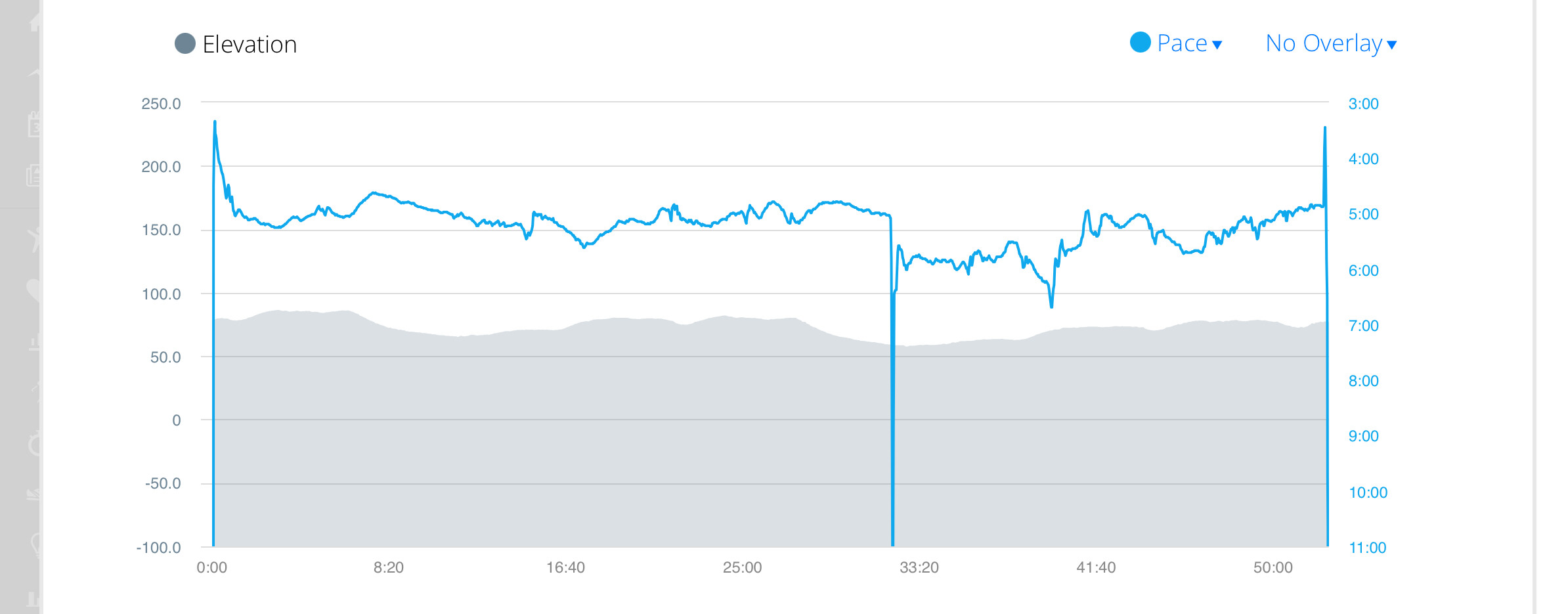
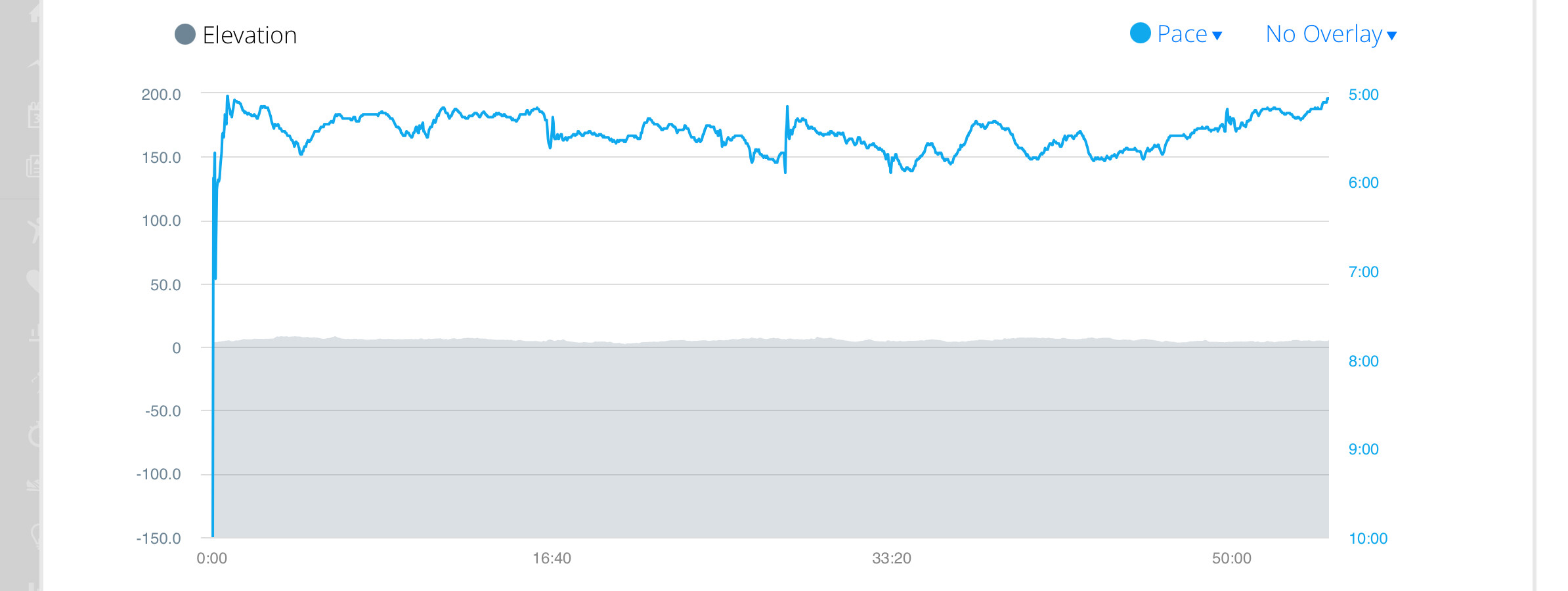
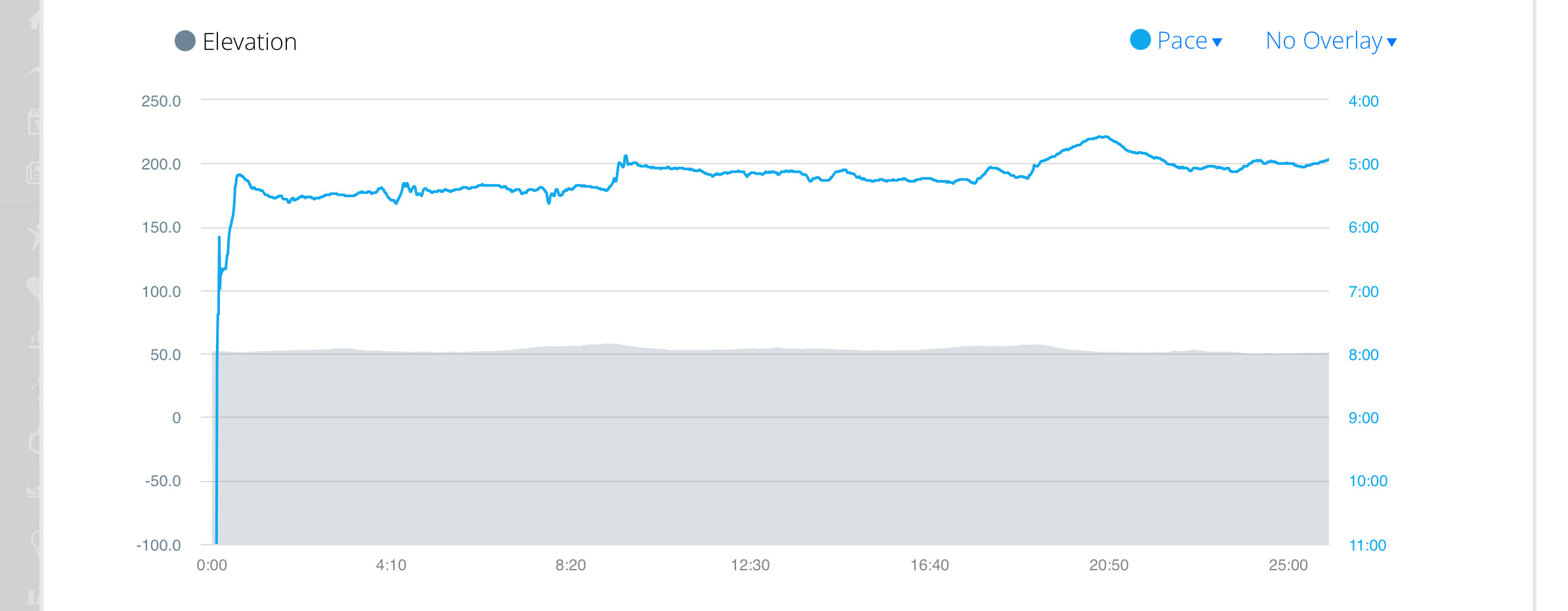
Here’s my last two races and a hard park run
Apr 2024 10k, hard start then collapse
Apr 2025 10km, trying to be even
Apr 2025 Park Run, stepping up pace
Fffin hell, thats a sharp turn to back on topic.
Rule 1 dont look at your gps watch
Rule 2 dont look at your gps watch
Rule 3 dont look at your gps watch
Kind of joking and not at the same time.
Might depend on the device, trees, weather, it can be all over the place athough the average splits are useful.
Its is skill like many things it take practise.
I’ve counted time between lamp posts before and even if you are exactly the same pace the watch doesnt always agree.
Having said that..
I put the watch on 1km splits and I dont look at it for the first 100m or so then have a look as a little check in.
I’d question why it matters, just keep the effort the same. Wind, terrain can have an impact on pace. If you know you start to fatigue at a certain distance at a certain pace then the effort has to go up a bit if you want to maintain a steady pace.
Its nice to run lots of 1km splits within a few seconds per km of each other but I dont think it really matters.
perhaps…but most people don’t know what they have got…aerobic energy systems are less developed in youngsters and so children tend to engage in shorter, sharper activities and whilst this may sway some muscle fibre development as per @joex above, it may well be that kids are swayed away from their genetic potential…
yes, both culturally - the west likes it long - and also aerobic systems take longer to develop…