I did it on a TT bike without internal wire routing about 10 years ago. You have to be a bit old school and have it running externally but there is specific wire tape for routing and attaching it down the frame. It’s not elegant but it works and has lasted well.
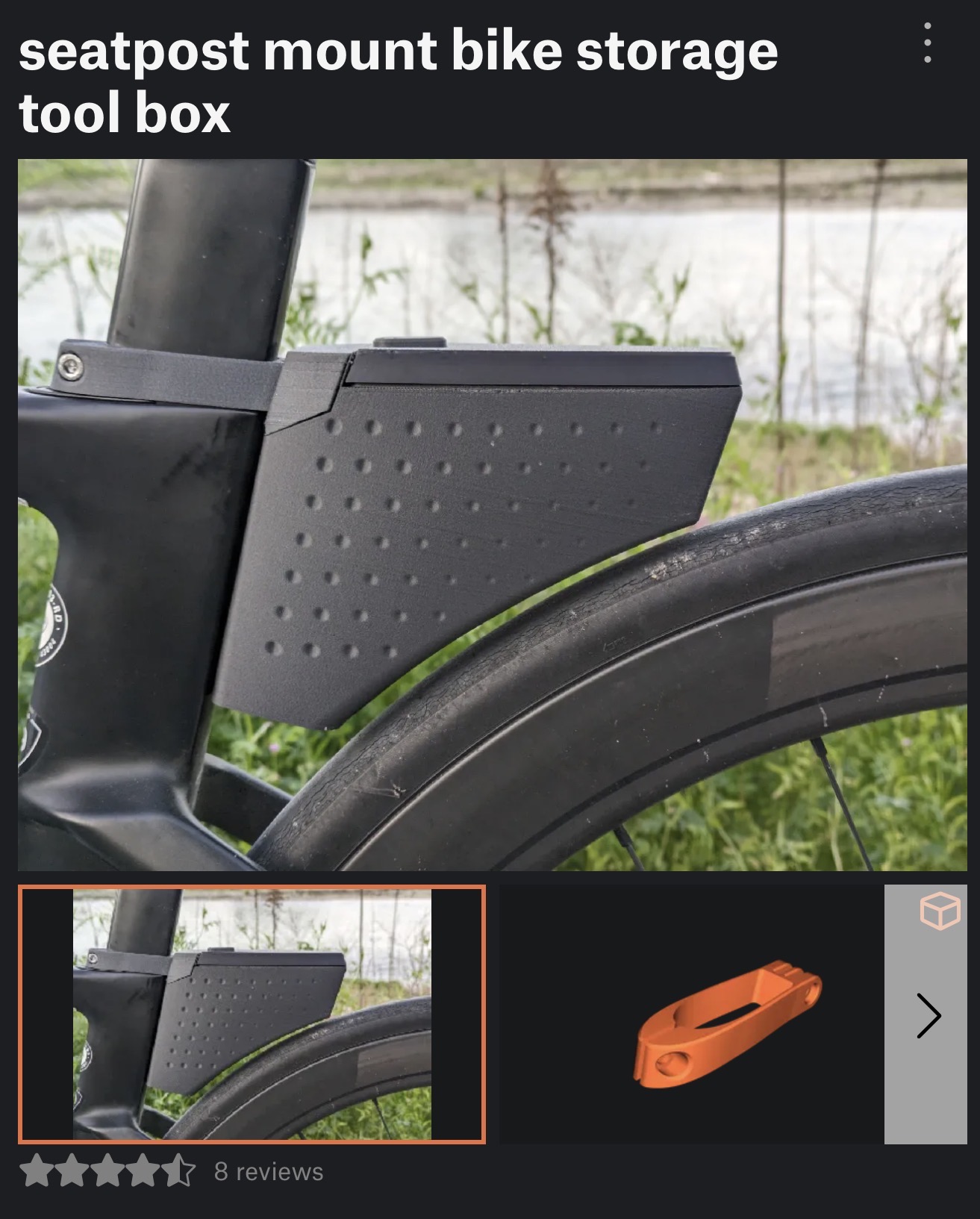
The battery normally lives in the seat post, Make some kind of shim so it’s a snug fit.
The junction box is usually outside the bottom bracket shell (inside the frame) and the cables run from the junction box round the bottom bracket shell, one to the batter & the other to the rear mech.
Depends also which version of Di2 you have as the newest ones have wireless shifers.
“Dirk Bockel’s 2012 Blue Triad SL is covered with unique modifications. He is the only athlete racing the 2012 Triad SL, and this version is 200 grams lighter than the 2011 iteration. He rides Shimano Dura-Ace Di2 components but instead of mounting the battery and routing the wires on the outside of the frame, Bockel hides the extra lengths of wire almost entirely within the frame. The Traid SL doesn’t have integrated Di2 routing, so Bockel’s frame was modified for this purpose. The aerobar spacer has a small opening that leads to the open space inside the nose cone. The shifter wires pass through the aerobar into the nose cone and finally exit the frame on the side of the cone through the hole in the spacer. The extraneous wire is shielded within the nose cone. His battery is jammed up between his saddle rails and is completely shielded by the seatpost, his rear bottle cage and saddle. The wire goes directly from the battery into the rear of the modified seat tube. The standard Triad SL seatpost has two saddle mount positions, one forward and one rearward. Bockel uses the forward position, so Blue sawed the carbon that creates the rear mount off the seatpost and the wire from the battery passes into the post where the rear mount is usually located. The wire passes through the frame to both the front and rear derailleurs and up to the control box, positioned directly behind the stem.”
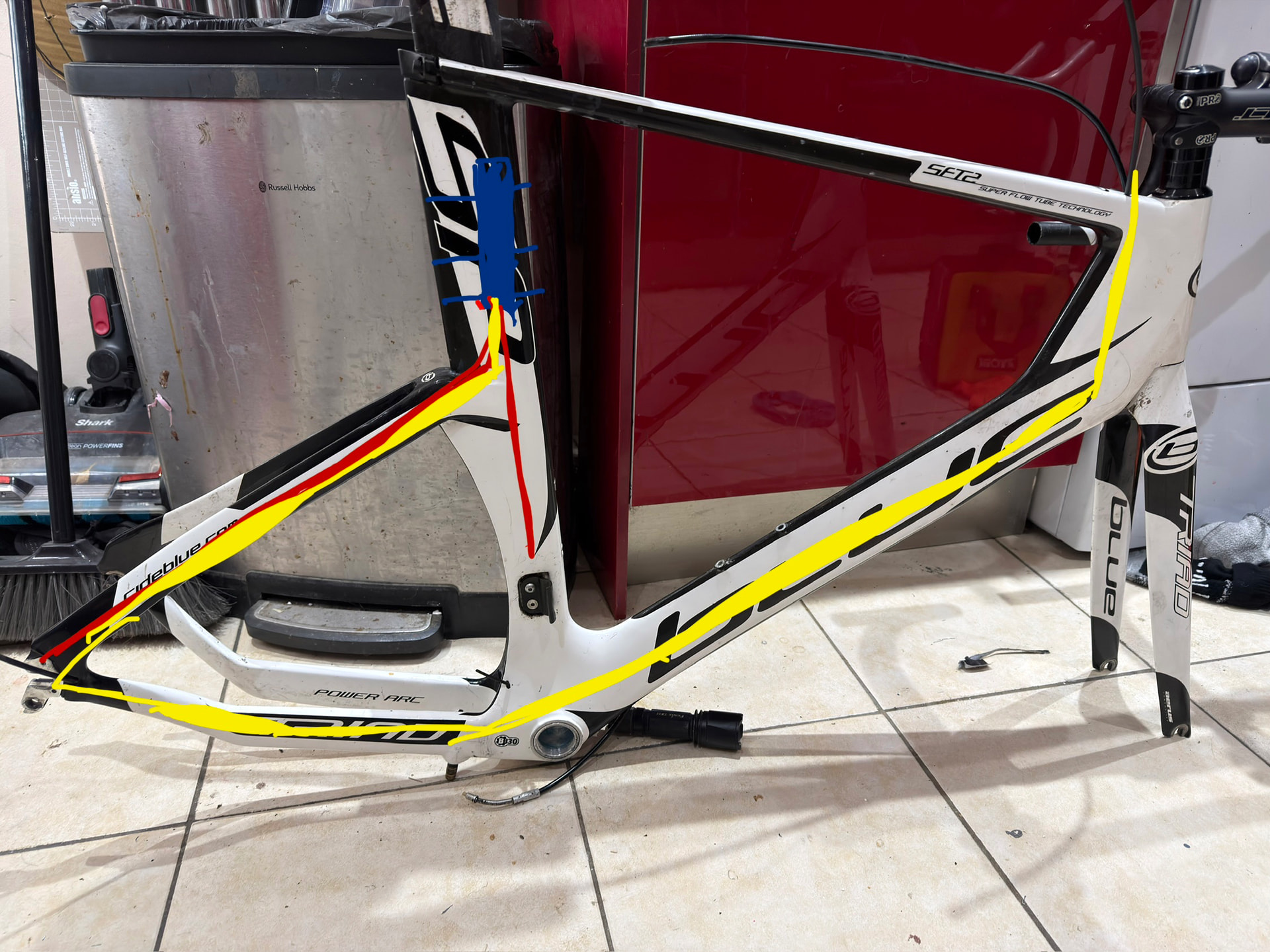
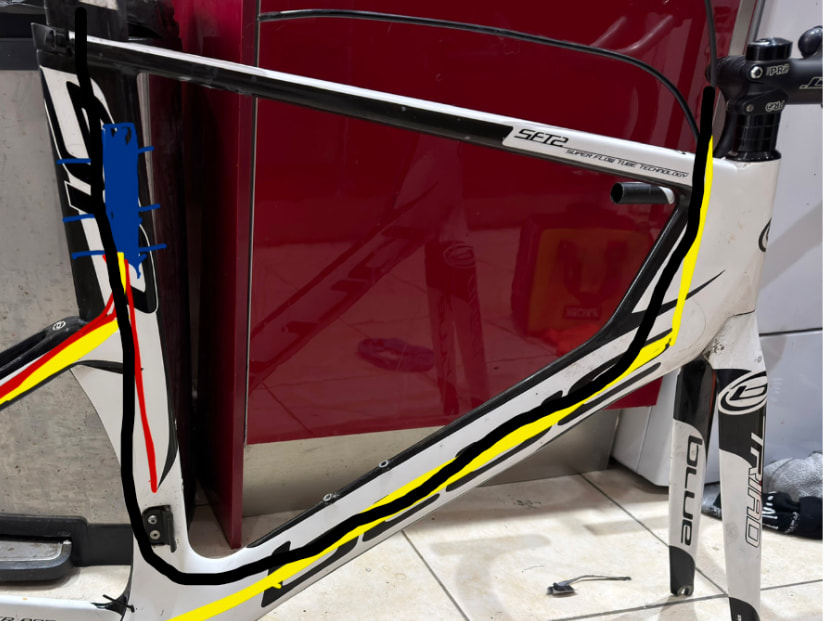
So it looks like everything is going to have be external.
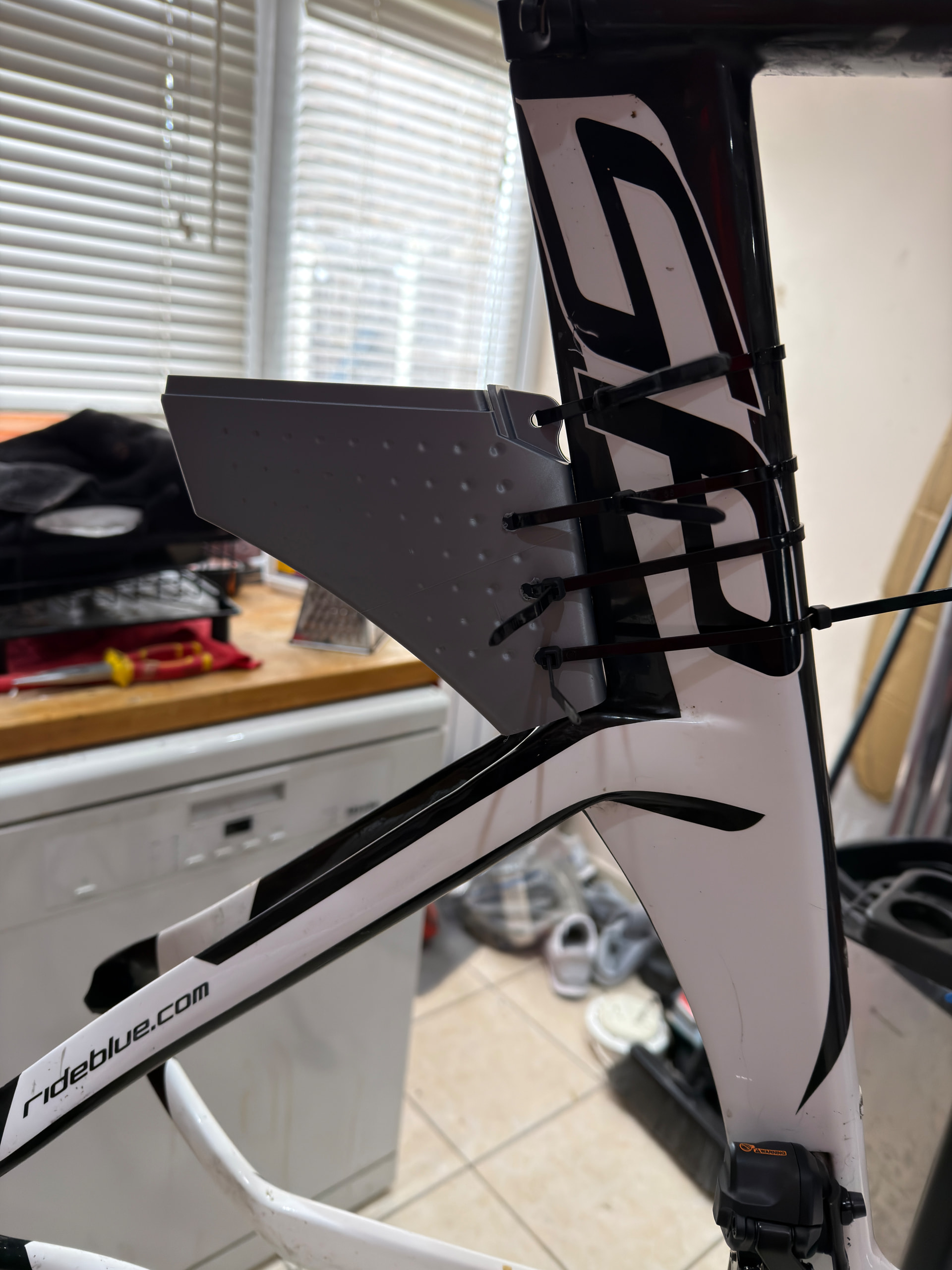
The external mounts for the battery aren’t compatible with the 12 speed battery, so that’s just gonna be cable tied to the seat tube - blue
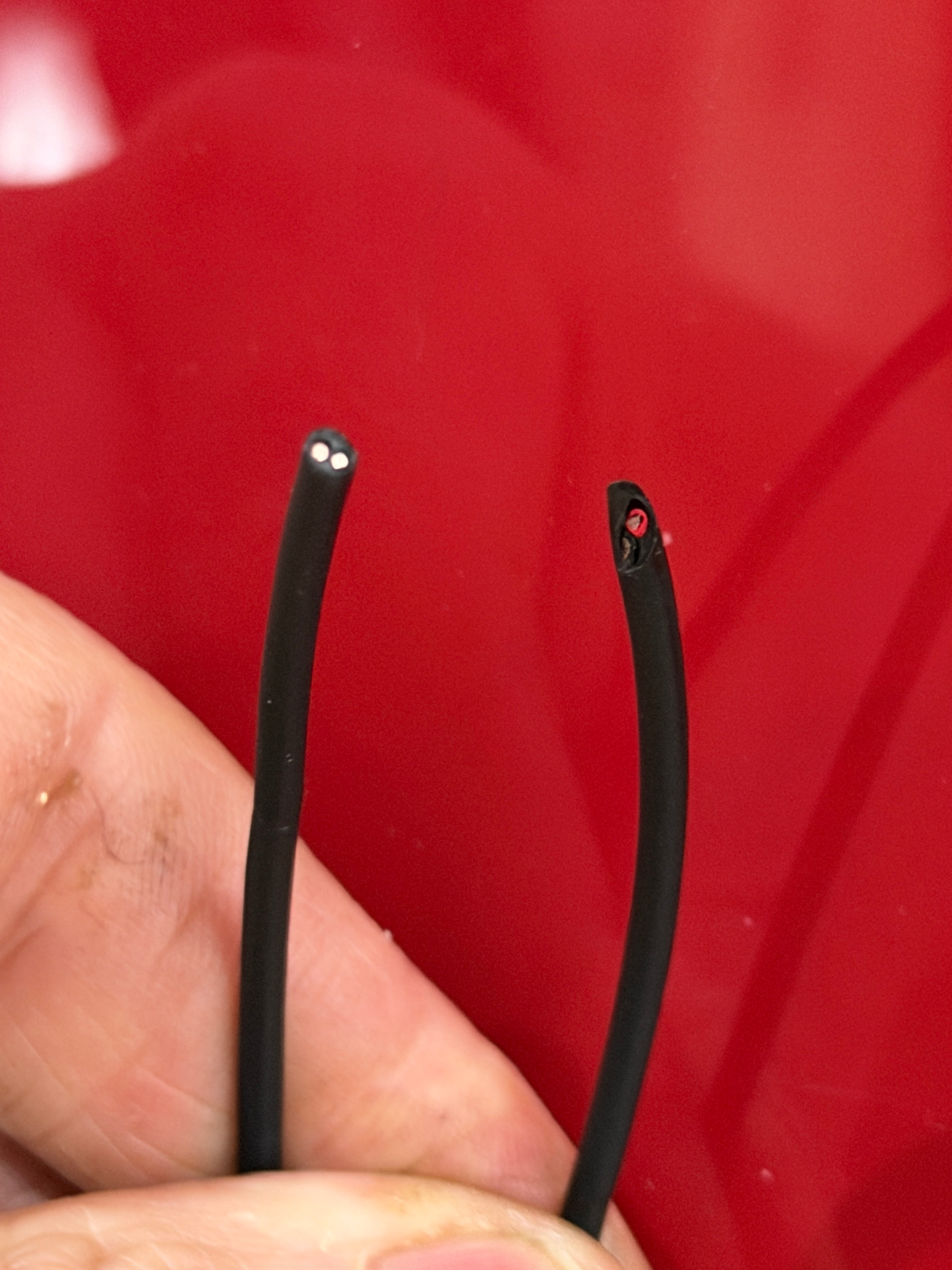
Wires to the front and rear mech - red - are going to be stuck on using the external wire kit, although there’s going to be A LOT of wire left over
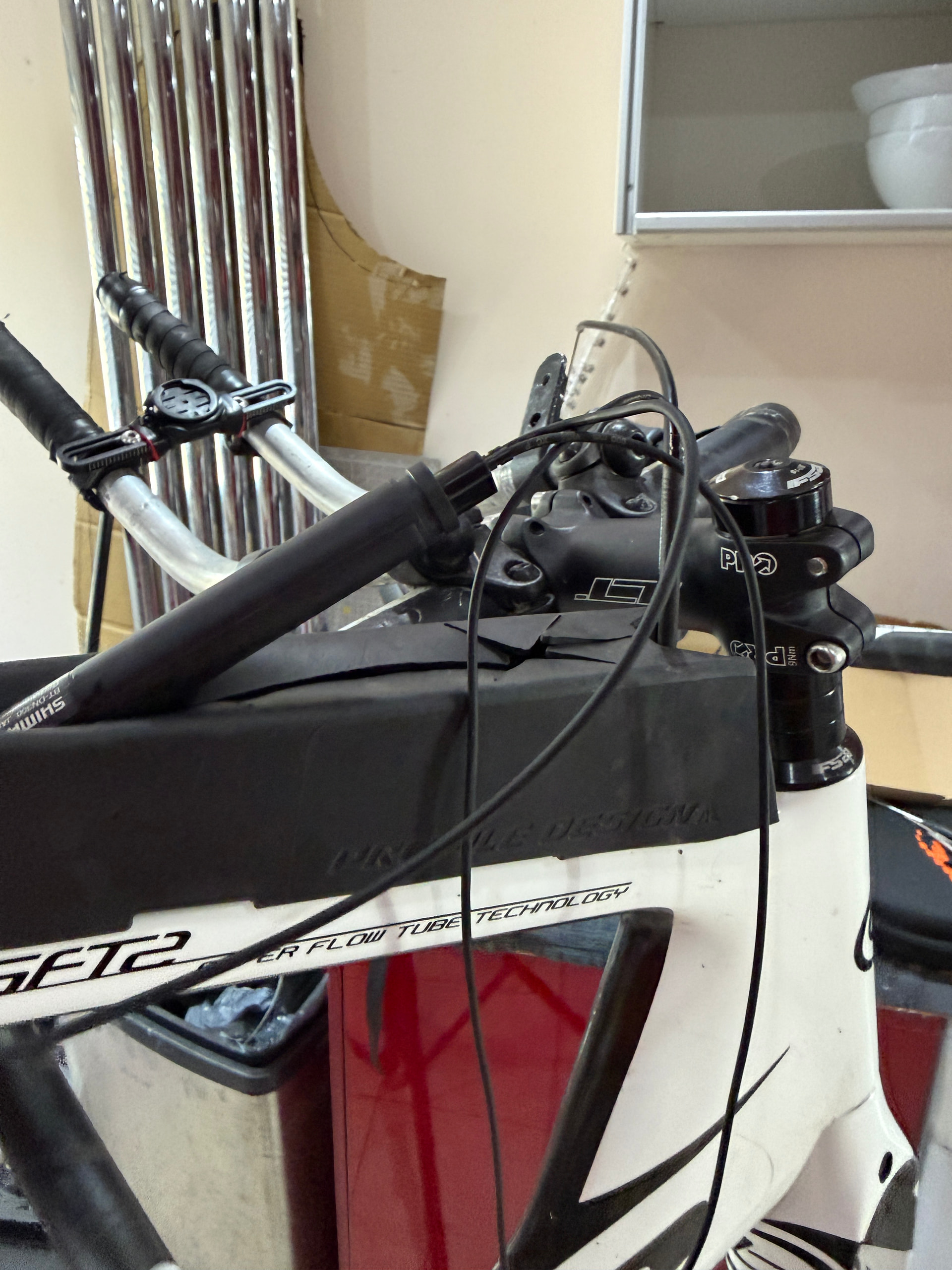
Wire from the battery to the junction box at the stem - yellow - will either be all external or run to the rear mech and then through the internal routing
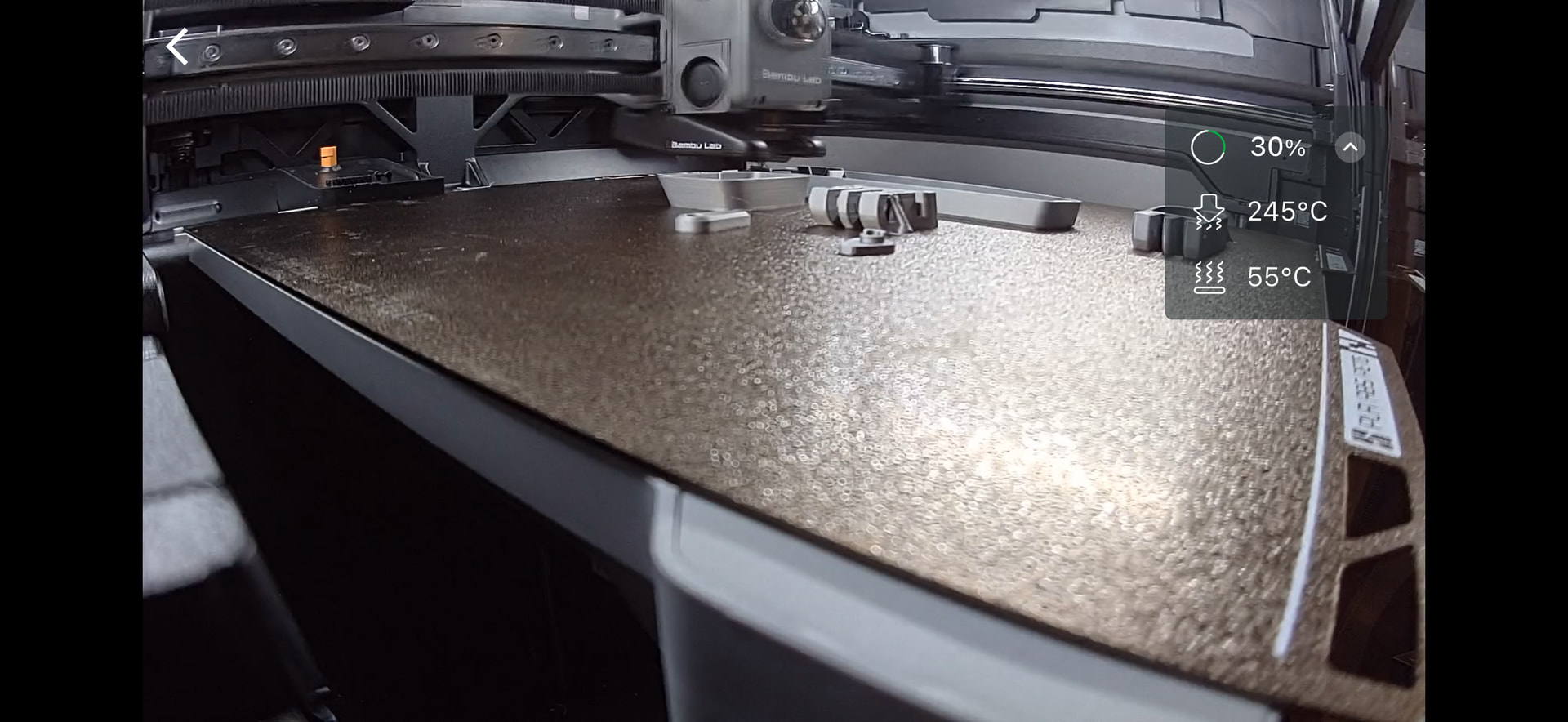
Managed to get a wire through the internal routing from the stem to the mech. As I’m getting a new bike with no top tube, there was no need for my bento style box.
Can’t the junction box live above the bottom bracket. Appreciate it would need long cables to allow you to fish it out to above the seatpost & getting the cable to the rear mech will be a challenge but possible?
Yeah, that’s how mine pretty much goes. I think the only difference is if really needed, once you take the BB cups out there’s open space up into the frame so a bit easier to sort out. Mine was retrofitted into a non-di2 frame too. The batter is just stuffed down the seat tube, and wrapped in bubble wrap to stop it rattling around.
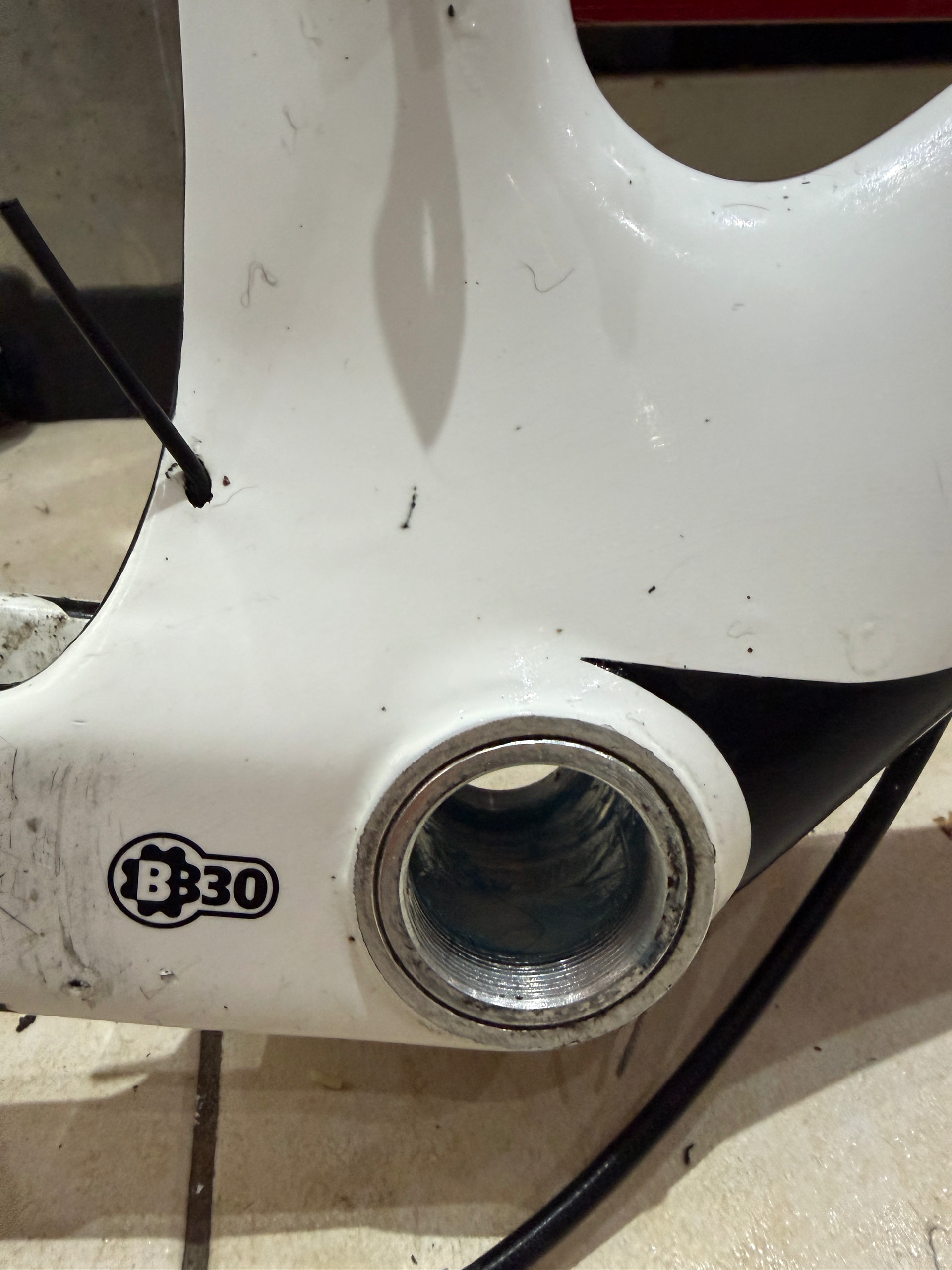
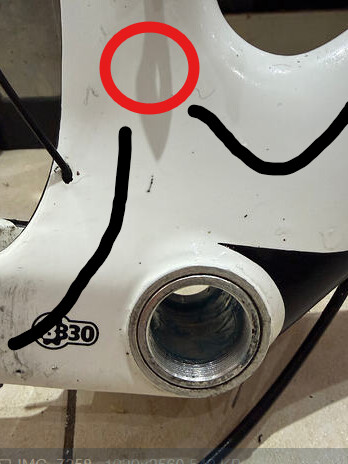
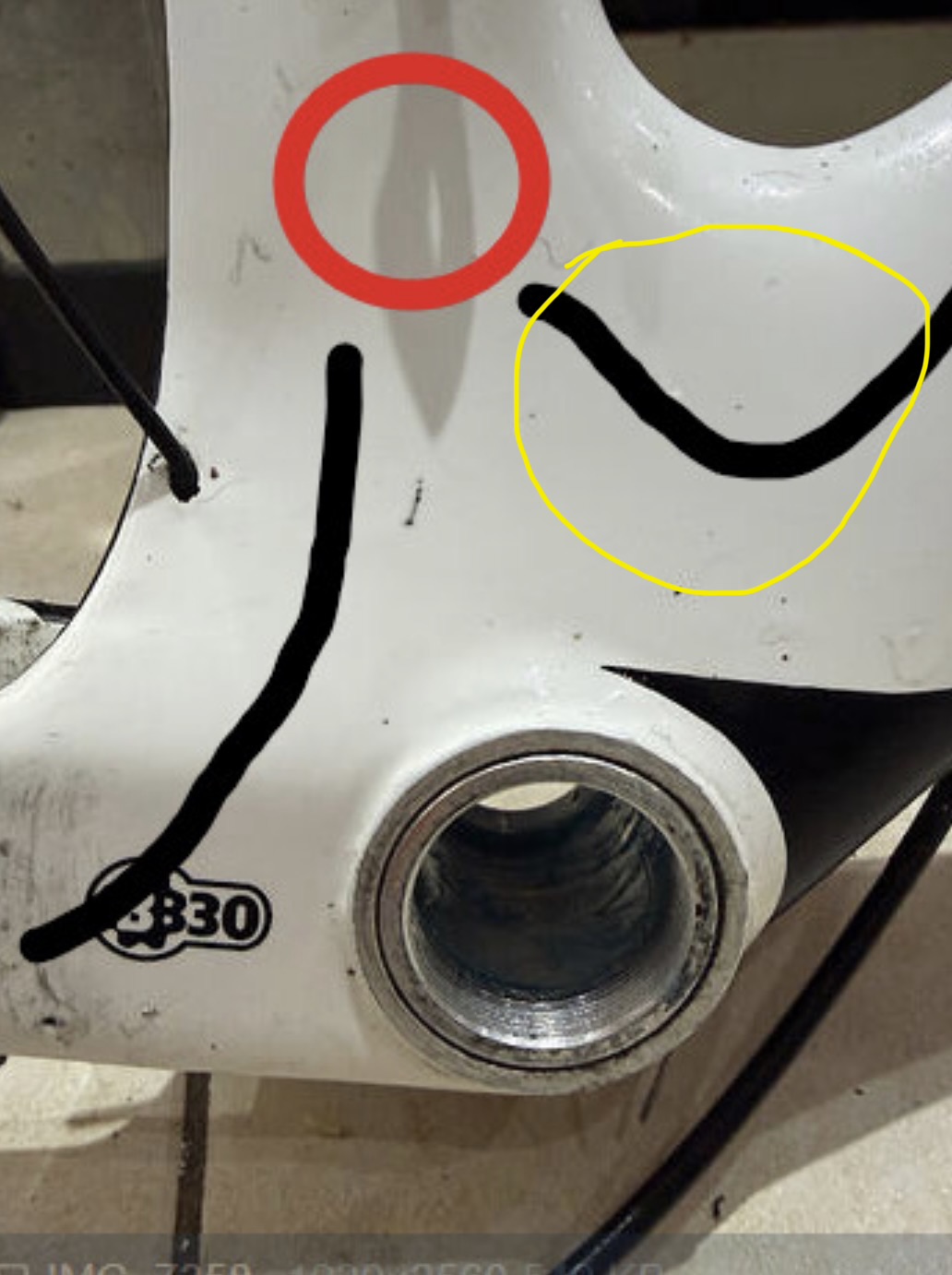
Is the BB opening on that one fully sealed, even after you take out the cups?
So the bottom of the seat tube is solid? Or am I misunderstanding?
What path does the standard internal wiring of non-di2 brake and gearing cables take? I appreciate it’s hard to know if you can’t get the BB off to look up from the inside, and the di2 cables are too think to follow the standard internal routing.
I think if you could get the BB off then it might all be a lot easier to assess. That’s an extra job now, but you’ll inevitably have to have that done at some point, and if that then shows you could have routed it all internally then you might regret not checking now?