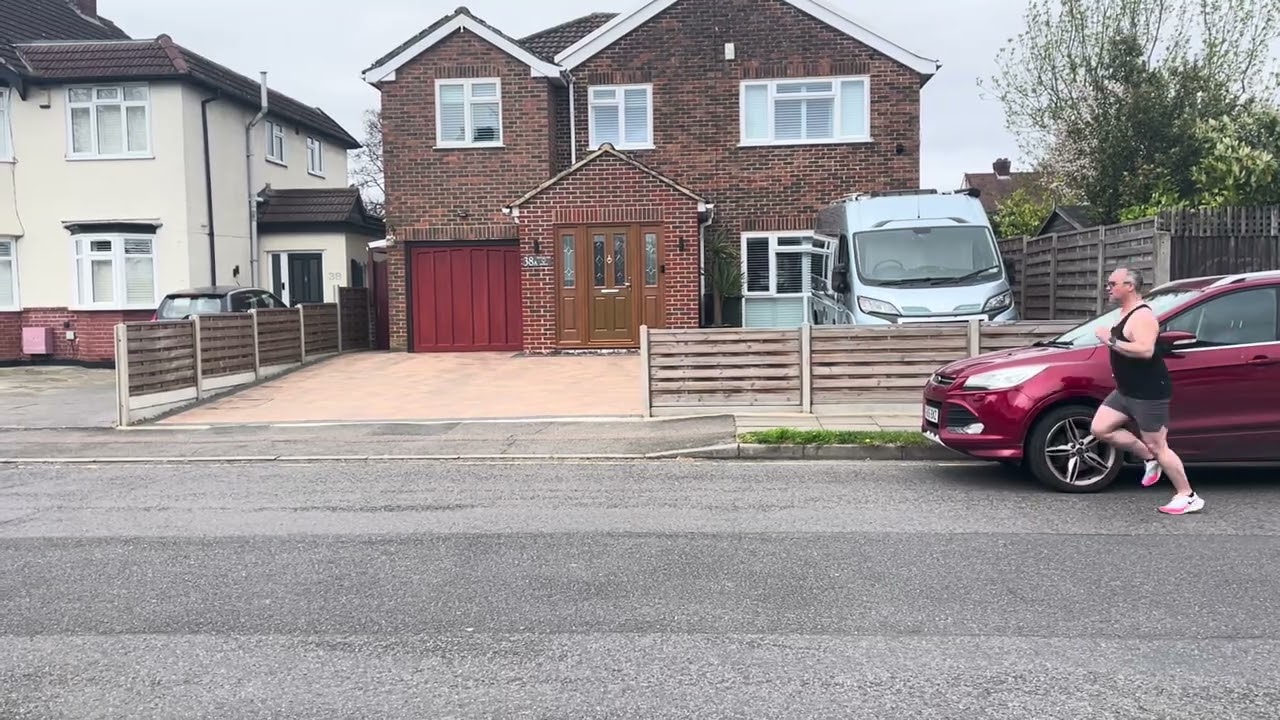
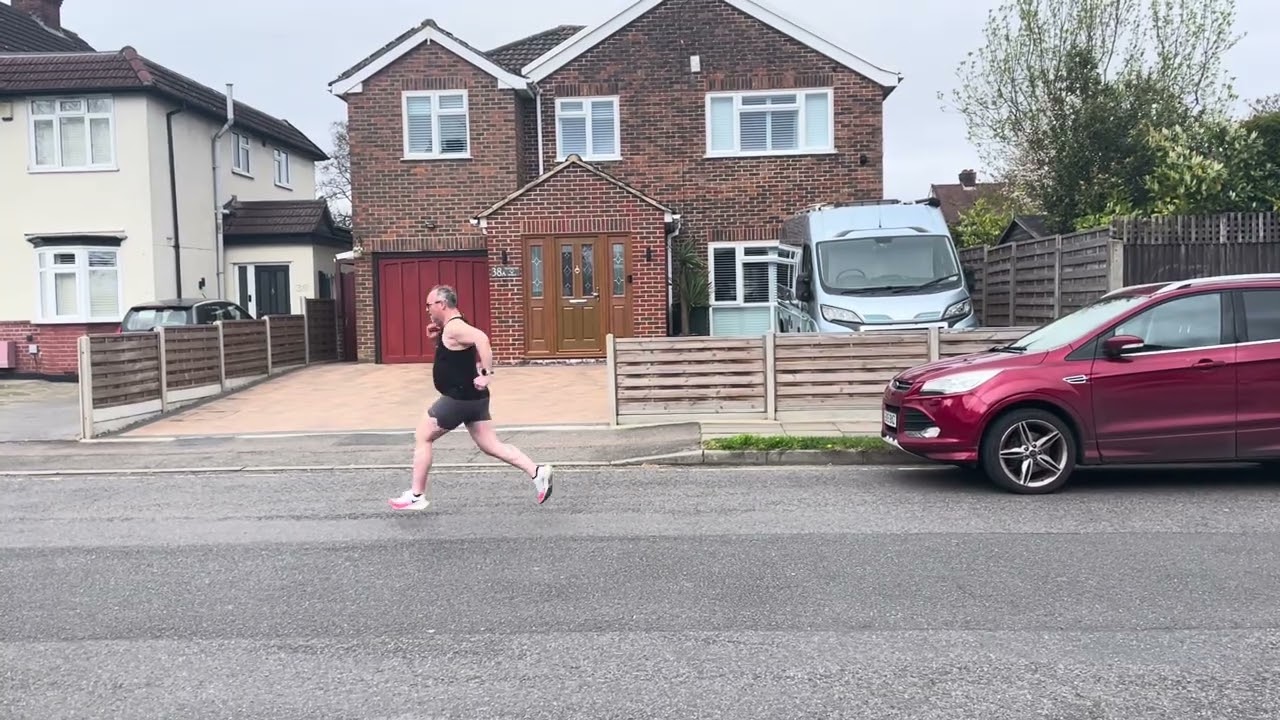
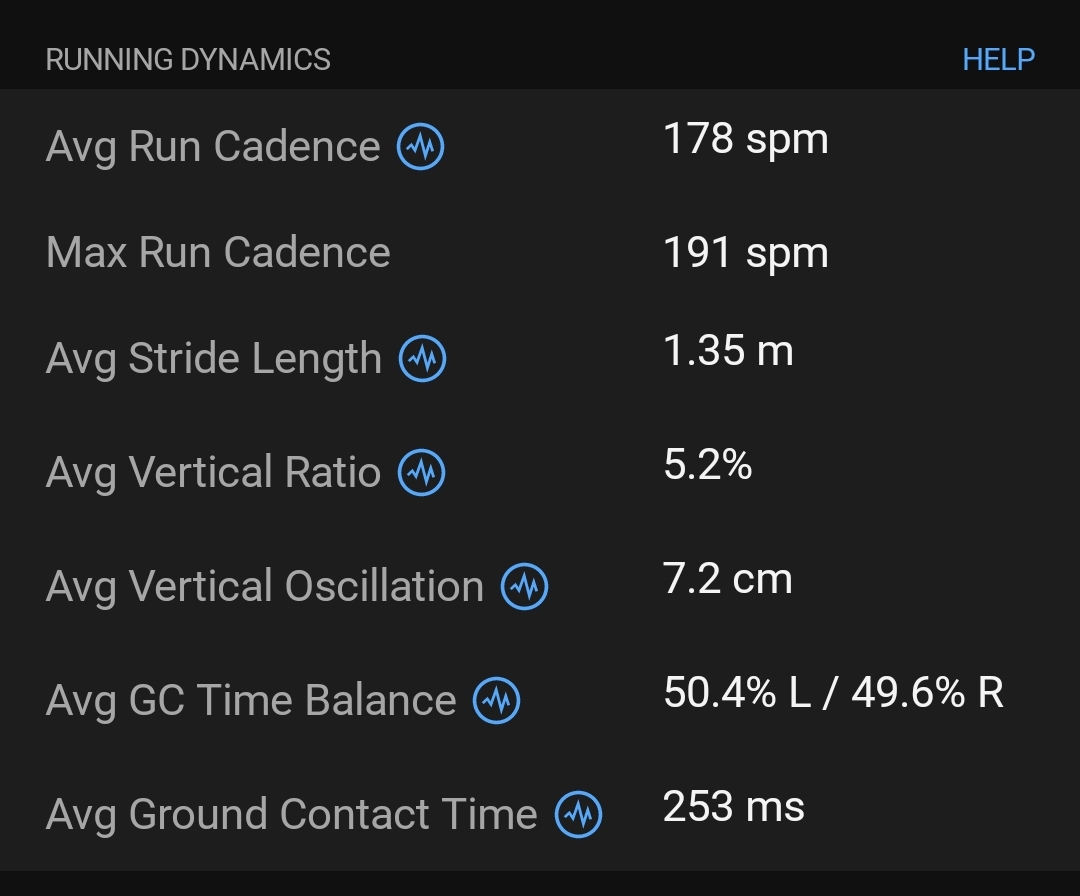
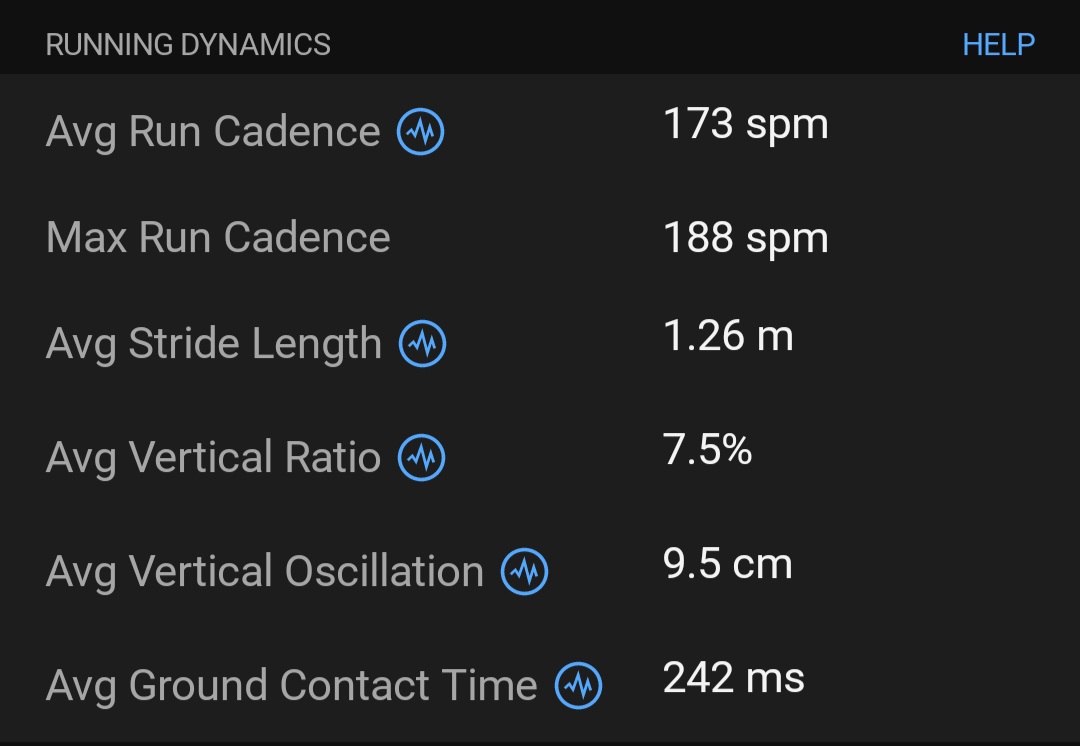
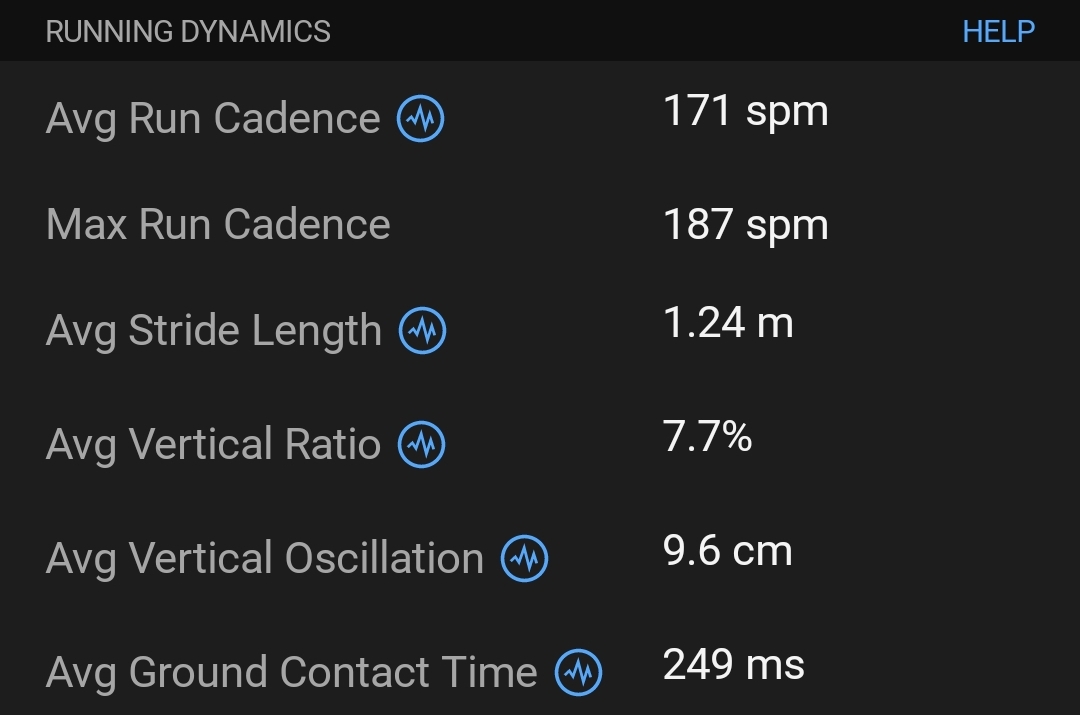
it depends what they are measuring…
But 8cm at 180spm in a 4 hour marathon is 346,600 cm which is nearly 3.5km or 2.1 miles.
yes and yes…
it depends what they are measuring…
But 8cm at 180spm in a 4 hour marathon is 346,600 cm which is nearly 3.5km or 2.1 miles.
yes and yes…
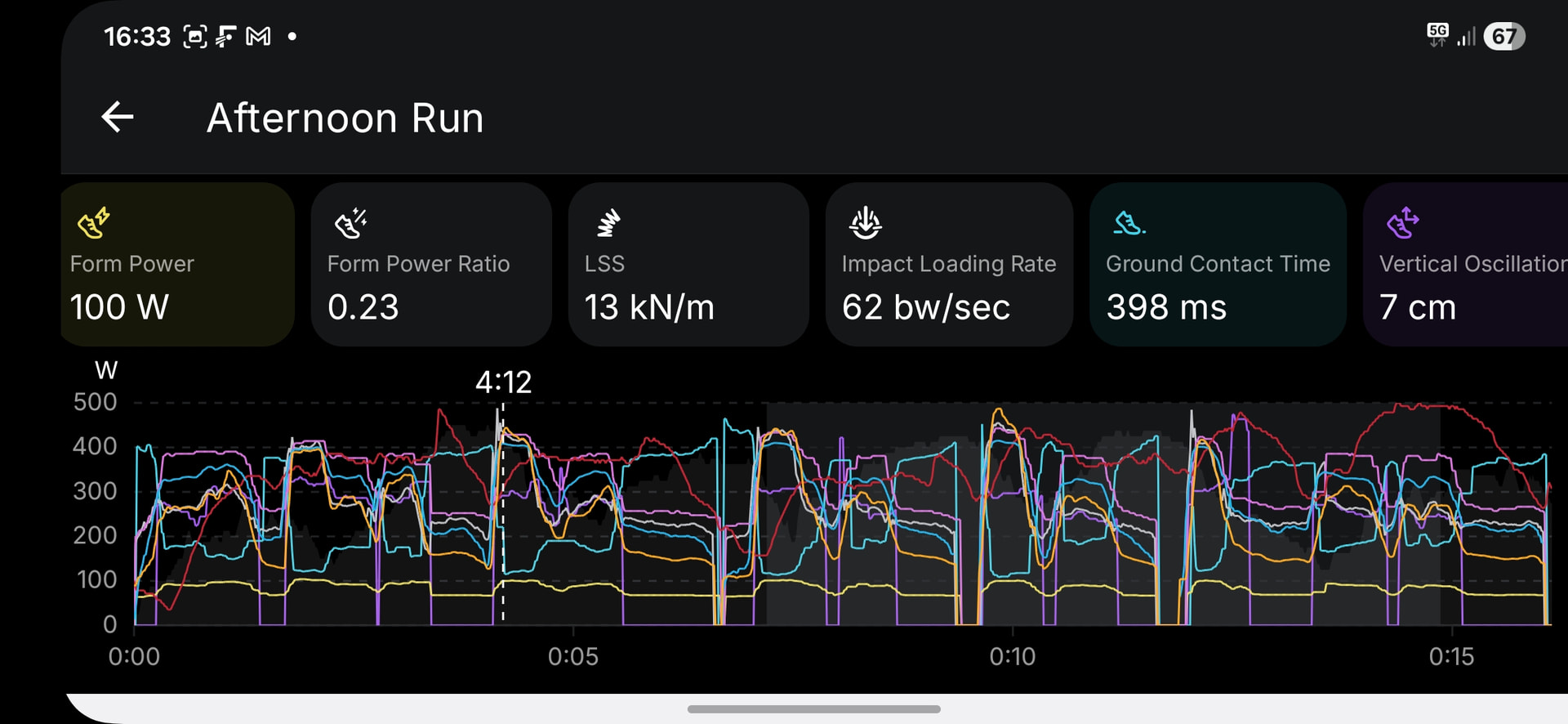
That’s a screenshot of data from my Garmin watch with HRM strap - I can’t speak to the veracity of the numbers.
I’ll go out and get more videos for analysis. Not sure how to do the rear view one yet.
I didn’t say the numbers were necessarily wrong, I questioned what they were measuring. To understand the two components to VO you need to know which parts are driving the data. Whoever sold you whatever tool is measuring the VO should be able to answer the question
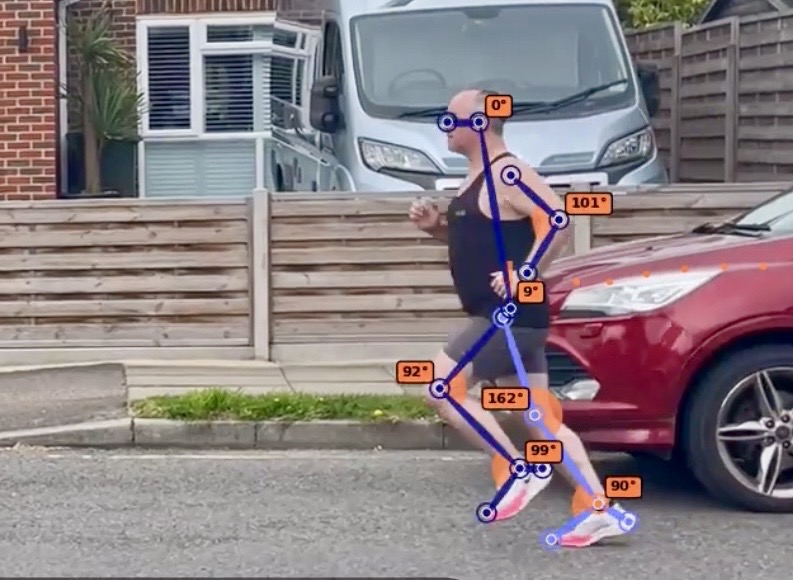
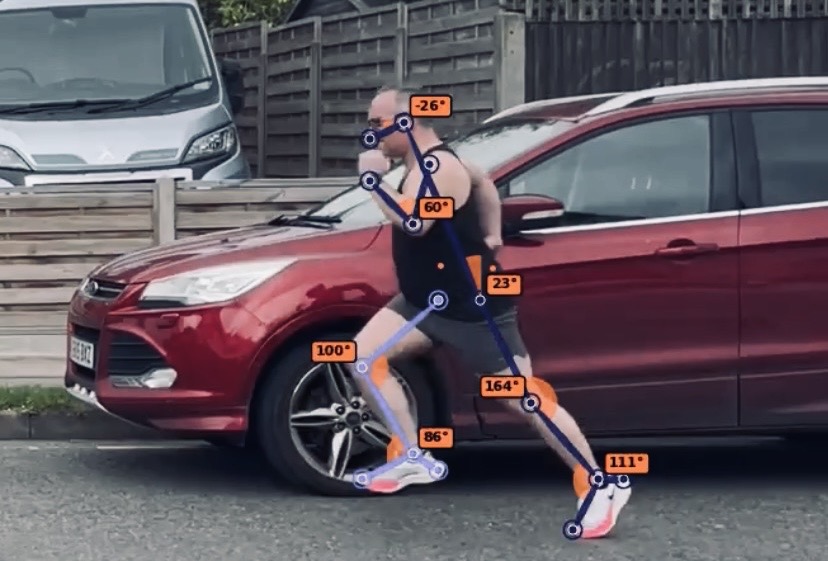
Looks like they are measuring torso oscillation, but I can’t find details on how.
Turns out the voucher for Ochy doesn’t give me full access so no more analysis 
Threshold
Sprinting
Toe push off - Threshold
Toe push off - Sprint
I am getting plenty of torso oscillation at the moment - the Easter eggs aren’t helping 
This might be the best thing on this Easter weekend 
I’ve watch all three of the trilogy.
Getting a bit repetitive, need a new angle for the hero in season 4
Shane Benzie analysed some of the fastest African distance runners on the planet (The Lost Art of Running) and they were getting VO of upto 15cm, which counters conventional wisdom of 7.5cm, but he also says its because of elasticity rather than force in the stride. Hes a bit out there but his work did fascinate me, had huge overlaps with “whole body swimming”
Yep - two components to VO
My 10km PB (2024) 4:10/km, biggest difference is average stride length and ? (as you would probably expect.)
My stats seem to change with fitness and fatigue, not focus or a obvious change in form. Although when in season or personal best shape , maybe form and economy have improved (economy has for sure, so maybe there is a correlation?)
This weeks 10km threshold run… 4:33/km, ave heart rate 137bpm, HRmax 155 bpm
A few days earlier… Half Marathon 4:43/km, ave heart rate 146 bpm, HRmax 160 bpm
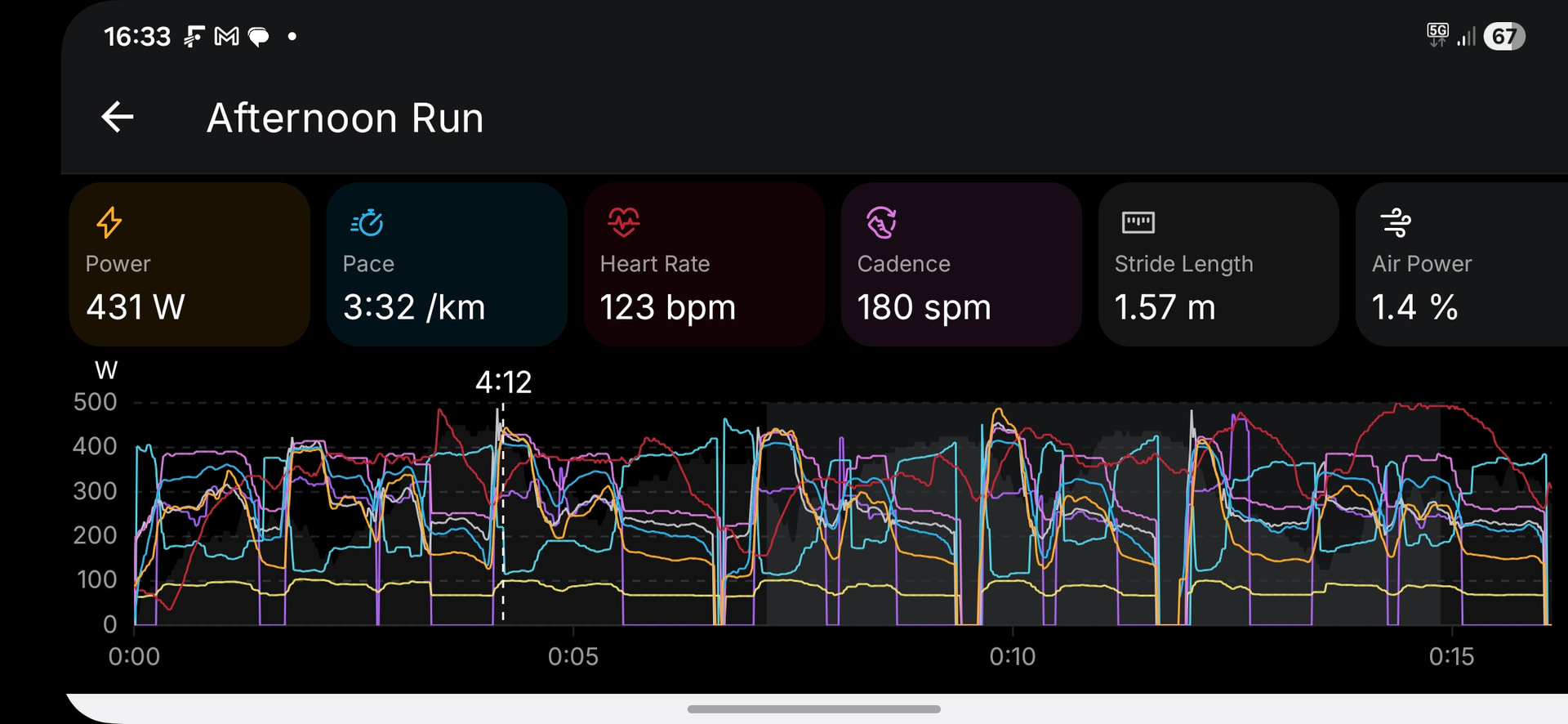
My stride from one of my 1min intervals
My goal is cadencec180 and try to stay “light”
Ground contact is around 220 for most part, not sure why its high on the bit my fat fingers selected. VO is 7 - 7.5 on “intervals”
100watts “wasted” is a little high for me also, but only 2-5watts.
Here’s an Easter experiment for you, put on a 25kg weight vest and see how it affects your pace and dynamics?
I think I’ll pass on that for one or two reasons.

Edit incoming.
How is that figured out?
, as wasted?
Its called “the cost of doing business”. An algorithm between VO, cadence and leg spring stiffness, ground contact time. The ratio (FP / total power) gives an idea of whether your increased power is at too much cost to efficiency.
Juat more numbers to look at and go wow and do nothing with 
You do see FP drop when trying to run well, and low cadence, high ground contact it rises
You might learn more if you reviewed an early km with the 8th or 9th
Reps?
how is that calculated?
I KNOW! 
This is something that doesn’t get the attention it deserves when people discuss running